archery articles Archery News

MOLECULAR ENGINEERING ON THE STEPPE

The Biopolymer Revolution – Molecular Engineering on the Steppe The steppe composite bow is often viewed merely as an ethnographic artifact, yet from an engineering perspective, it represents humanity’s first true composite structure. Thousands of years before the advent of carbon-fiber technology, master bowyers had already developed an Interpenetrating Polymer Network (IPN) that optimized energy storage and release at a molecular level. The Composite Matrix: Horn, Sinew, and the “Biomatrix” The structural integrity of the bow is derived from the synergy of three primary materials. This is not simply a…

Read More
archery articles Archery News

BASED ON WHAT, HOW CAN WE RECONSTRUCT THE HUNGARIAN COMPOSITE HORN BOW BEFORE 1000 AD?

Although Avar and Hungarian bows have not survived and their authentic markings are not known, fairly good reconstructions can be made of them. How is this possible? The secret is that from the stiffening plates made of animal horns found in graves, the skilled eye can deduce many otherwise destroyed parts of the bow, and knowing the general operating principles of reflex bows can lead to professionally founded reconstructions… The reconstruction of the Hungarian bow from the time of the Hungarian conquest is indeed a challenge, since the original bows…

Read More
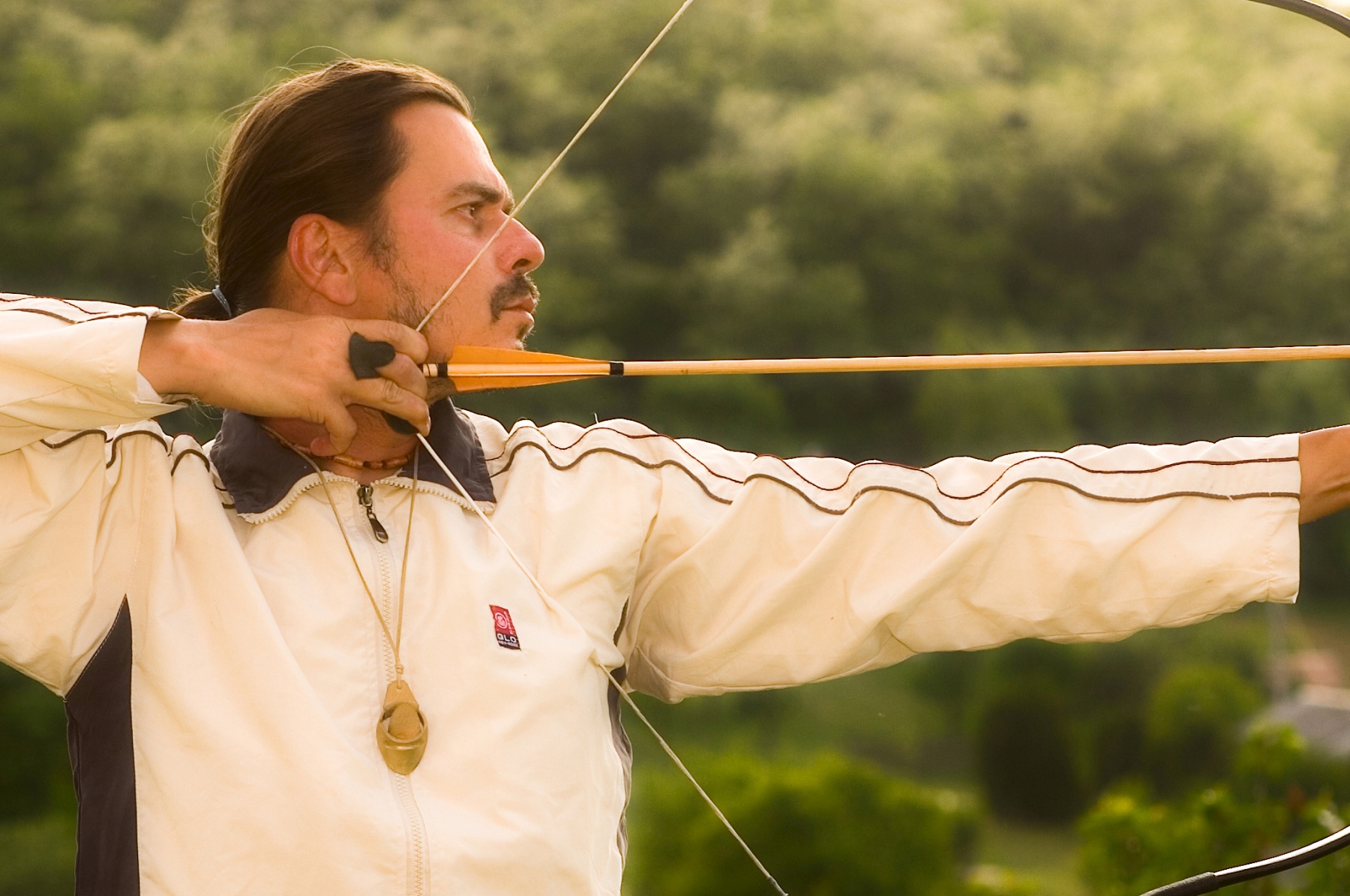
Hungarian style three-finger draw
archery articles Archery News

THE TECHNIQUE OF ARCHERY

MANY OF US HAVE CHILDHOOD MEMORIES OF WATCHING ARCHERY ON TELEVISION OR IN MOVIES. WE MIGHT EVEN HAVE HANDLED A BOW OURSELVES WHEN WE WERE YOUNG. FROM THIS WE KNOWTHAT, FOR A RIGHT HANDED ARCHER, THE RECURVE BOW IS HELD IN THE LEFT HAND, WHILST THE RIGHT HAND PLACES (“NOCKS”) THE ARROW ONTO THE STRING, AND DRAWS IT BACK, TOGETHER WITH THE ARROW, UNDER TENSION. THIS TENSION IS FINALLY RELEASED TO ENABLE THE ARROW TO FLY THROUGH THE AIR TO ITS TARGET. However, it’s certainly the case that fewer people…

Read More
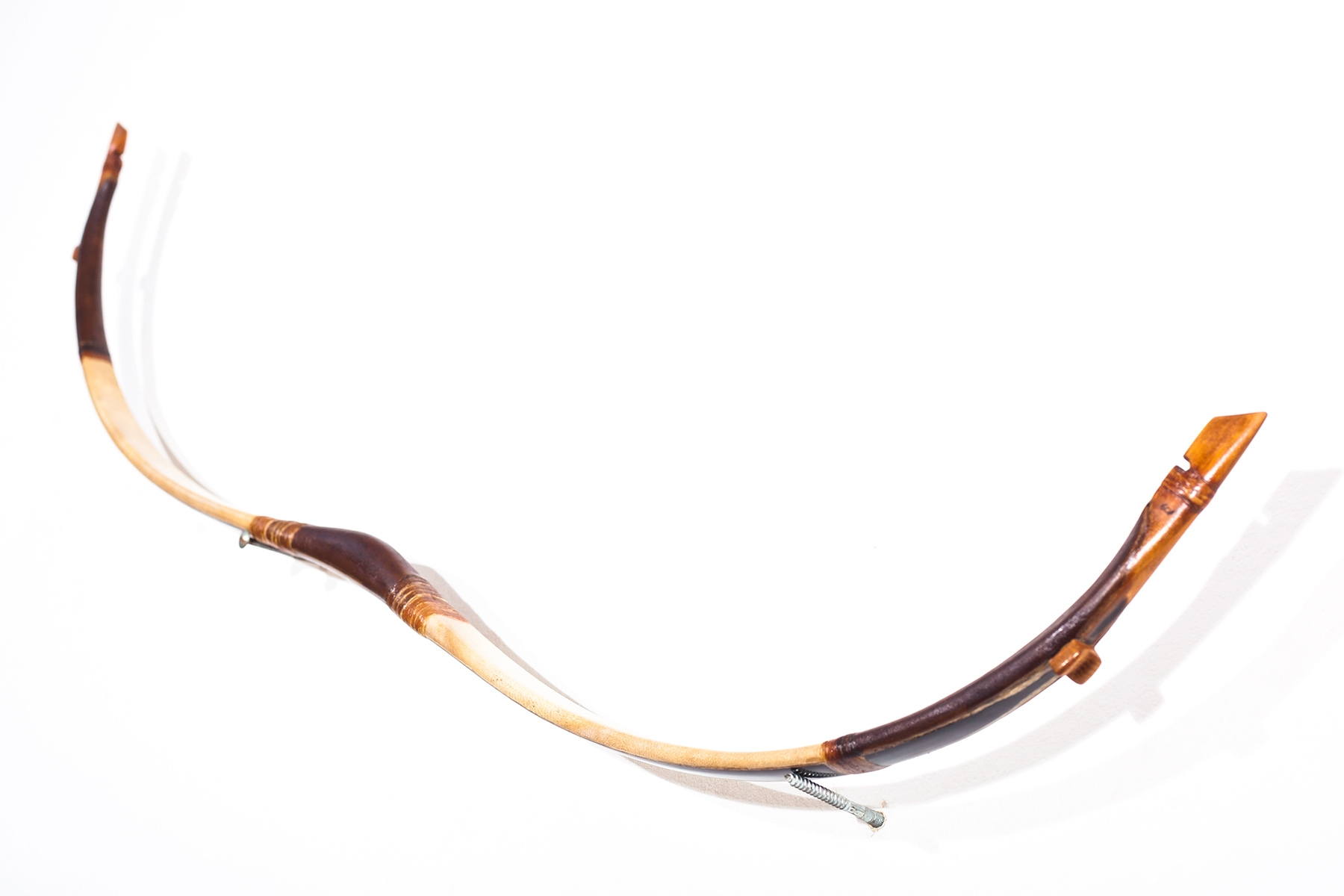
Grozer Turkish composite horn bow
archery articles Archery News

THE EVOLUTION OF THE COMPOSITE RECURVE HORN-BOW

THE BOW AND ARROW WERE AMONGST THE FIRST WEAPONS USED BY HUMANITY. ONLY INFERENCES CAN BE MADE REGARDING THE EVOLUTION OF THE BOW AS ITS ORIGINS DATE SO FAR BACK IN HISTORY. A SURPRISINGLY DEVELOPED FORM OF THE BOW AND ARROW IS PERPETUATED IN THE LATE PALAEOLITHIC CAVE DRAWINGS OF SPAIN AND THE SOUTH OF FRANCE. THUS WE HAVE GOOD REASON TO BELIEVE THAT THIS FORM IS THE RESULT OF A LONG EVOLUTIONARY PROCEDURE WHICH TOOK PLACE DURING THE PALAEOLITHIC. Archaeologists and ethnologists presume that the bow was preceded by…

Read More
Akhinakes - ancient daggers
archery articles Archery News

THE RIDER’S GARMENT AND THE LEATHER ARMOR

THE WARRIORS’ EQUIPMENT DIDN’T ONLY CONSIST OF THE OFFENSIVE WEAPONS LISTED ABOVE. THEY STROVE TO PROTECT THEMSELVES FROM ENEMY BLOWS AND STABS AS WELL. A SPECIALLY FORMED PROTECTIVE GARMENT AND A SHIELD PLAYED THE MOST SIGNIFICANT ROLES IN THEIR PROTECTION. First, let’s take a look at the garment. As we can see in many contemporary images, the Scythians of Pontus, that is the inhabitants of the western, Inner-Asian steppes, as well as the Medes, wore baggy trousers that could be gathered up into pleats. Their body was covered by a…

Read More
New Nomad Laminated Tatar recurve bow
archery articles Archery News

PRACTISING THE ART OF ARCHERY FIGHTING

THE SKILL OF BATTLING ON HORSEBACK REQUIRED CONSTANT PRACTICE. ONLY THOSE WHO HAD ACQUIRED THEIR RIDING SKILLS AS A CHILD, AND HAD SPENT MOST OF THEIR LIVES ON HORSEBACK, COULD REMAIN IN THE SADDLE TIRELESSLY, FOLLOWING TRACKLESS PATHS FOR HOURS AND HOURS, AND ONLY THOSE WITH EXTENSIVE EXPERIENCE WERE ABLE TO KEEP THEIR HORSES UNDER CONTROL IN TAUTSITUATIONS. THEREFORE THE USE OF WEAPONS ON HORSEBACK, ESPECIALLY DRAWING THE ARROW AND TAKING AIM, DEMANDED CONTINUOUS PRACTISE. Chinese historians recorded that the Hun used to teach their children how to ride on…

Read More
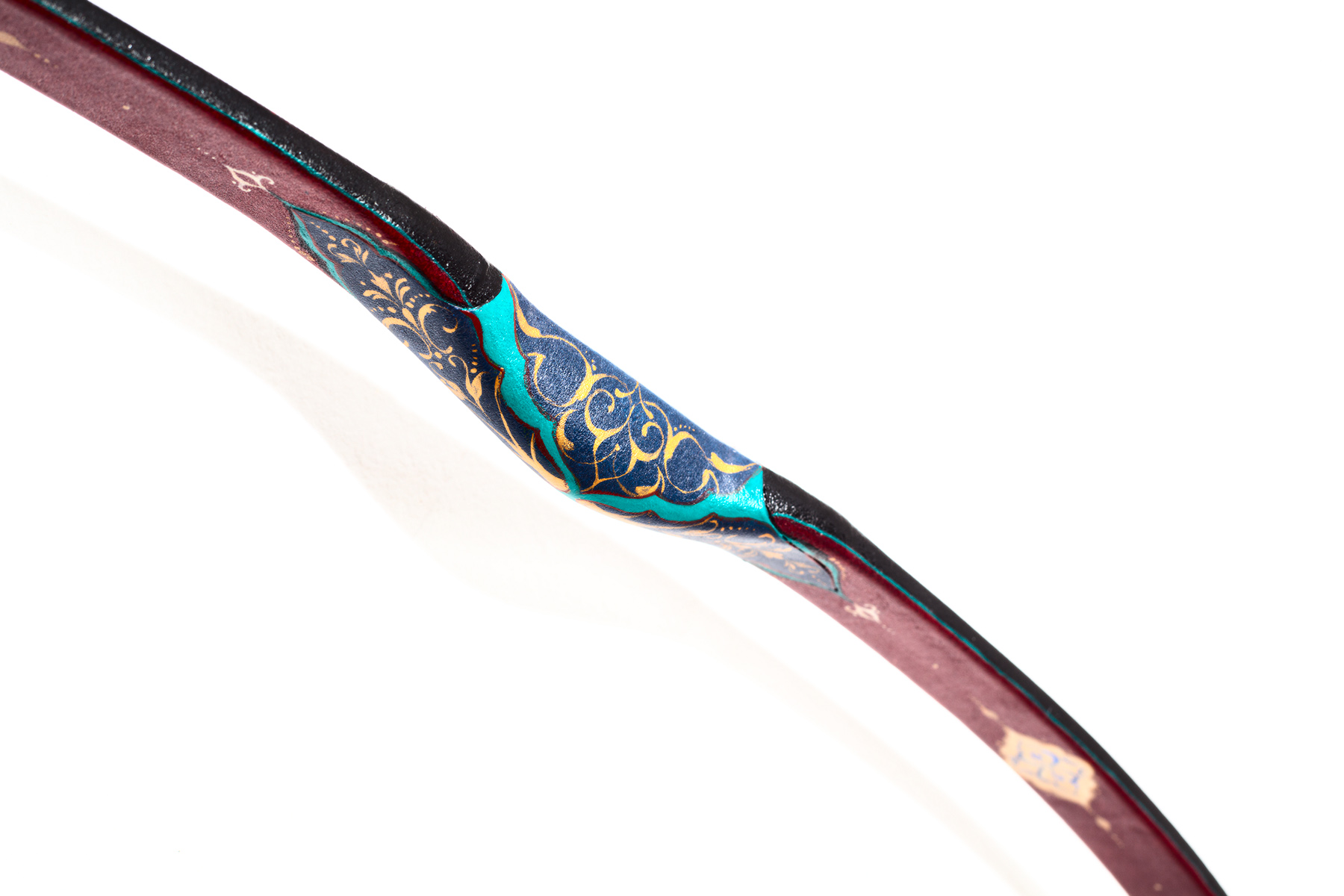
Grozer hand-painted Turkish bow
archery articles Archery News

STRINGING THE TRADITIONAL RECURVE BOWS

WARRIORS AND HUNTERS CARRIED THEIR MOST DEVELOPED WEAPON, THE MANCHURIAN-TYPE BOW, BRACED, JUST AS THEY DID WITH ITS PREDECESSORS, THE MONGOLIAN, THE HUNGARIAN, AND THE SCYTHIAN BOWS. AFTER USAGE THEY WOULD UNSTRUNG THE BOW AND SLID IT INTO A LEATHER COVER/SACK LIKE THE PROTECTING SACK OF AN UMBRELLA. To be able to maintain and restore the “reflexive” curvature of the bow, they used a wooden rack, or stand, specifically developed for this: here, the bow rested when it wasn’t in use. When they wanted to use it, they would have…

Read More
Traditional Assyrian composite horn bow
archery articles Archery News

THE BONE TIP BOW

BOWS WITH BONE-TIPS HADN’T BEEN BURIED IN THE GRAVES OF THE SCYTHIAN ERA NOR IN EUROPE NEITHER IN ASIA. THIS CHANGED, HOWEVER, AT THE BEGINNING OF THE CHRISTIAN ERA, AROUND THE DAWN OF THE 1ST CENTURY. IN THE NORTHERN TERRITORIES OF TODAY’S MONGOLIA, AND TO THE WEST FROM THE LAKE BAIKAL, ‘TABLE-TOMPS’ (GRAVES COVERED BY STONE-TILES) WERE FREQUENT, WHICH, ACCORDING TO THE ARCHAEOLOGIST, DATE BACK TO THE 3RD—2ND CENTURY BC. THEY ARE CONSIDERED TO BE THE EARLIEST RECORDS OF THE ASIAN CUMANS.  IT WAS FROM THESE GRAVES THAT THE EARLIEST…

Read More
Grozer Assyrian bow and primitive arrows
archery articles Archery News

NATIONAL HUNTS AND WARGAMES

THE YEARLY WARGAMES AND THE CULTIC, NATIONAL HUNTS OR WARGAMES AND CHASES PLAYED A SIGNIFICANT ROLE IN MAINTAINING THE HUNTERS’ BATTLE SKILLS. THE KITAJ HUNTS OPENED WITH A SPECIFIC CEREMONY, A PRAYER ADDRESSED TO THE GREAT SUN GOD. The territory selected for the ritual games had already been marked out the day before the event. After the prayer, the huntsmen were divided into two groups. At certain points in the hunts, there were ritual libations. The manoeuvres and exercises carried out in files were conducted by commanders.  Since the hunts…

Read More