Grozer Ottoman painted composite bow

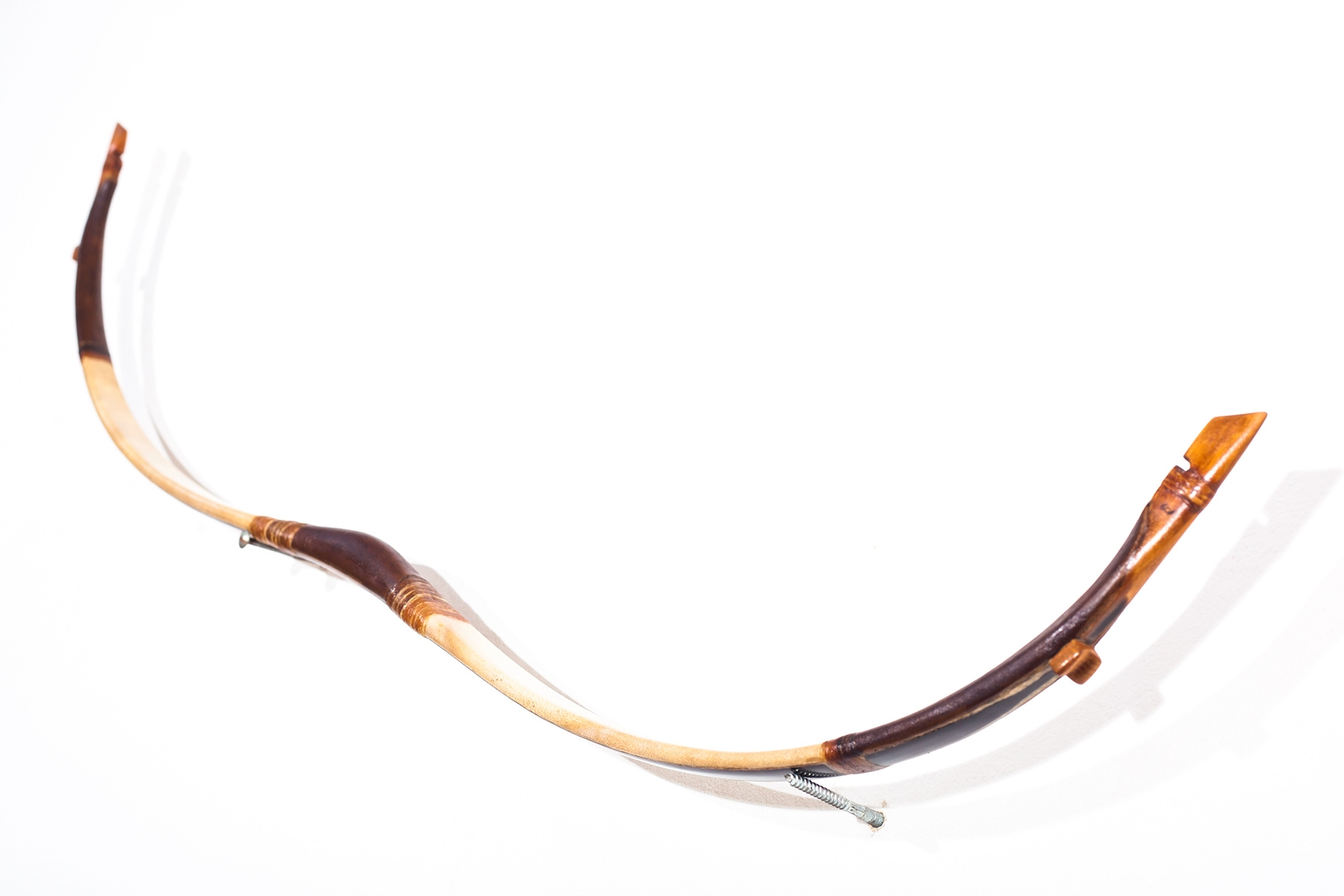
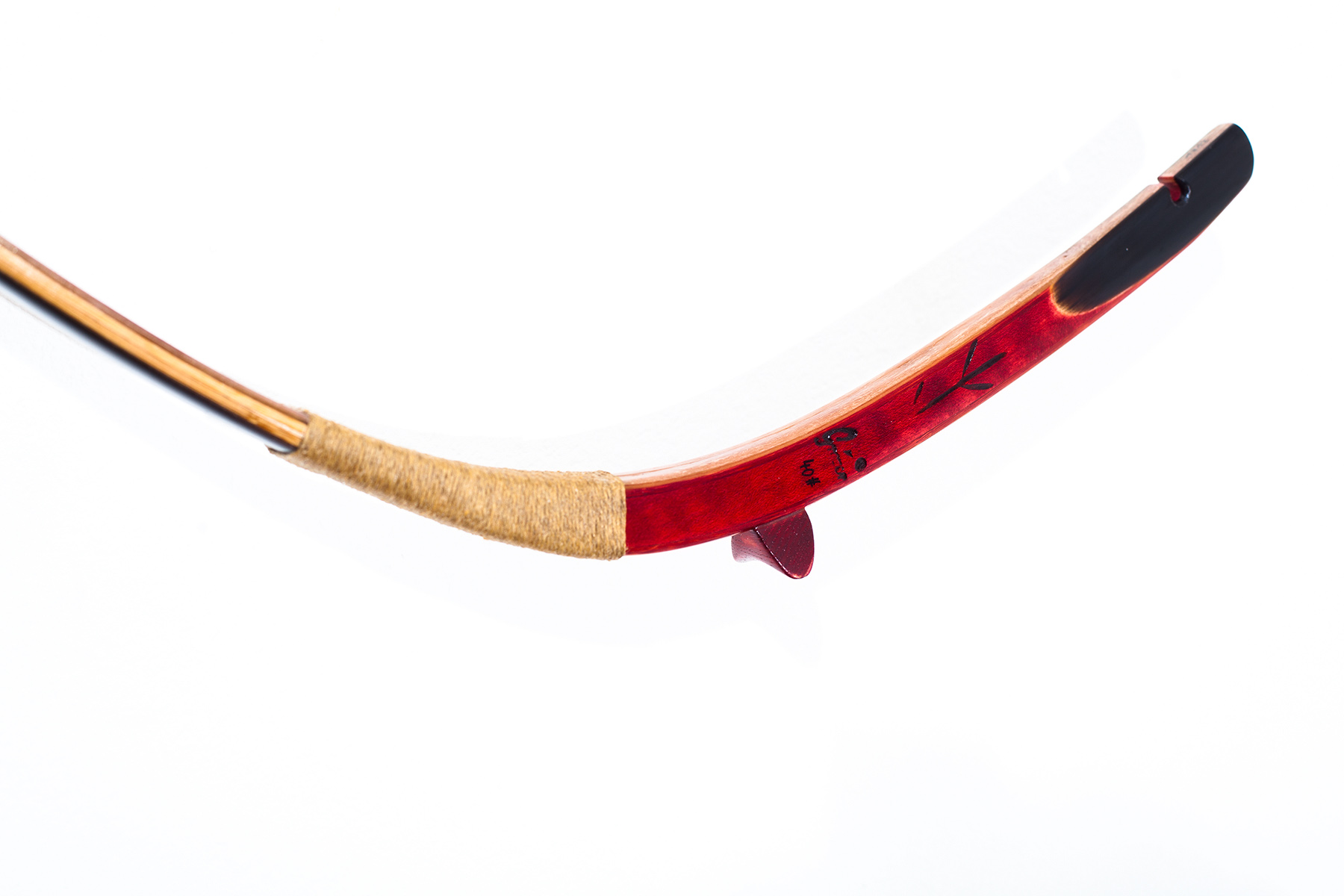
Traditional Turkish hand painted recurve bow G/454

Preferred by Turkish archers worldwide, and especially in Turkey, the Grózer Turkish bow is a reliable composite. The shape of the bow dates from the 10th century and is based on archaeological grave finds. The Grózer Turkish bow has a full genuine leather covering. It has a very special design (see pictures): when unstrung, it forms a real “C” that bends in the opposite direction, which gives the bow quite dynamic characteristics.

Read More
New Nomad Laminated Tatar recurve bow
archery articles Archery News

PRACTISING THE ART OF ARCHERY FIGHTING

Fighting on horseback demanded constant practice. Only those who had learned to ride as children and spent most of their lives in the saddle could ride tirelessly for hours along trackless paths, and only experienced riders could keep their horses under control in tense situations. Using weapons from horseback, above all drawing the bow and taking aim, required continuous training. Learning to ride and shoot as children Chinese historians recorded that Hun (Xiongnu) children learned to ride on the backs of sheep, and that while riding they hunted birds, mice…

Read More
Grozer Manchurian biocomposite bow
archery articles Archery News

MAKING OF THE BOW: THE STRING PAD

When Manchu warriors attacked China in the 17th century, they were armed with better and more effective bows than their opponents. Already in the time of the Mongols, the southern parts of Manchuria were famous for their arrow-making. Perhaps thanks to these strong craft traditions, the Manchus developed a small innovation that made aiming considerably more accurate: the Manchurian string pad. What the string pad does The Manchurian-type recurve bow had a string pad near each tip. It was a small bone bridge with a semicircular groove for the string,…

Read More
Grozer Assyrian bow and primitive arrows
archery articles Archery News

NATIONAL HUNTS AND WARGAMES

Yearly war games and great ceremonial hunts played an important part in keeping warriors’ fighting skills sharp. Among the Khitans, these hunts opened with a ceremony and a prayer to the great Sun God. The ceremonial hunt The ground for the ritual games was marked out the day before. After the prayer, the hunters were divided into two groups, and at certain points of the hunt ritual libations were made. The manoeuvres and exercises, carried out in ranks, were led by commanders. Because the hunts and war games also served…

Read More

About

“A sagittis Hungarorum libera nos, Domine!” “From the arrows of the Hungarians, deliver us, O Lord!” · a plea traditionally linked to Modena, 924 AD ◆ ◆ ◆ A tradition brought back to life ◆ ◆ ◆ For a long time, this prayer was almost the only thing most Hungarians knew about Hungarian archery. No wonder: with the arrival of firearms in the 16th century, archery in Hungary disappeared almost completely. What remained were bone fragments and a few rusty arrowheads, buried with their owners in the 10th century. Yet…

Read More

Archery Articles

Stories from the history of the bow ◆ ◆ ◆ Our articles on the history, the making and the practice of traditional archery. Pick a topic, and read at your own pace. History and culture 5 ↓The bow and its making 4 ↓Archery in practice 3 ↓ History and culture Warriors, hunts and the bow in the ancient world ◆ ◆ ◆ The Palintonos Bow in the IliadHomer calls the bows of the famous archers “palintonos toxon”. What kind of bow hides behind the epithet?Read the article →The ScythiansWho were…

Read More
Biocomposite Turkish recurve bow 36LBS G/534-0

Biocomposite Turkish recurve bow G/534

Biocomposite technology
It combines the laminated, TRH laminated and TRH Extra II laminated bows.

No maintenance is needed; it is very easy to brace and unbrace (please remember to unbrace it very slowly), and it withstands heat and cold very well.

It is sturdy too: it would be hard to twist it even on purpose.

Read More